
Compression solutions for the CO₂ value chain
Design your business case with CCUS carbon capture utilization and storage
Hard-to-abate industrie are trying to reduce their CO₂ emissions, and Everllence can help. In the last three decades, we have gathered the necessary expertise and developed the best equipment. We understand the whole carbon value chain and are a leader in future technologies for carbon capture, transport, utilization and storage. It’s a complex field, with changing economic and regulatory frameworks, meaning each project needs a different, individual solution – and that is our strength. Our goal is for our CCUS solutions to prevent 5 % of global carbon emissions.


“We are the global experts in high-volume flow and high-pressure CO2 compression.”
Dr Marco Ernst, Head of Segment CCUS

Configurable compression solutions from the global leader
Standardized components and modular systems are going to play a key role is in scaling up CCUS. This white paper not only explores the market situation but shows you how reducing the number of compressor parts which need to be individually specified reduces your capital expenditure and operating costs. You can also check out a reference case from the cement industry.
Our expertise in CO2 handling
RG compressor operating hours
of CO2 reduction using Everllence machines
coupling power possible for heat recovery
The CO₂ pilot

Leading expertise in carbon compression
In just over 30 years, Everllence has notched up more than 25 carbon compression projects in different sectors around the globe, including power generation, process industries, chemical plants, refineries and cement factories. Everllence uses cutting-edge CO2 compressors for the compression of CO2 / super-critical CO2, for the liquefaction of CO2 and for heat recovery and heat integration for your process plant. As well as point-source compression, we provide solutions for the other links in the CO₂ value chain: carbon capture, carbon transport, carbon storage and carbon utilization.

Best-in-class for CO₂ – CCUS Technologies
Our integrally geared CCUS Carbon Capture, Usage and Storage systems set the standard for carbon compression and have the most references for high-flow and high-pressure applications worldwide. Our in-depth knowledge extends to cooling systems and drying technologies and we have a cutting-edge digital capabilities to optimize all carbon capture, storage and utilization process.
- High flexibility: The modular design of Everllence's CCUS technology is highly adaptable to your specific needs, but the use of standardized preassembled components with proven performance can significantly shorten delivery and assembly times.
- High performance: With only one casing we achieve power savings of up to 20 % compared to inline designs.
- Low OPEX: Several factors combine to lower the operations costs of our machines compared to inline designs, proven in hundreds of cases.

A trusted partner for carbon compression
CCUS technologies: Expert advice all along the CO₂ value chain
Can your business benefit from CCUS? What kind of regulations or subsidies are available in your region? How can you integrate the best ccus technologies into your plant? What infrastructure, such as pipelines, can you use? Are there carbon storage and utilisation opportunities? Our experts can help you answer all these important questions. We’ll soon get you up and running on the CCUS expressway.
Downloads
CCUS


The best way to capture CO2 from flue gas
Capturing CO2 from flue gases is an attractive proposition for high-emission industries. The Everllence MAX1 axial compressor is the best available solution as it can handle flue gas volumes of up to 1.5 million cubic meters per hour.

Related products
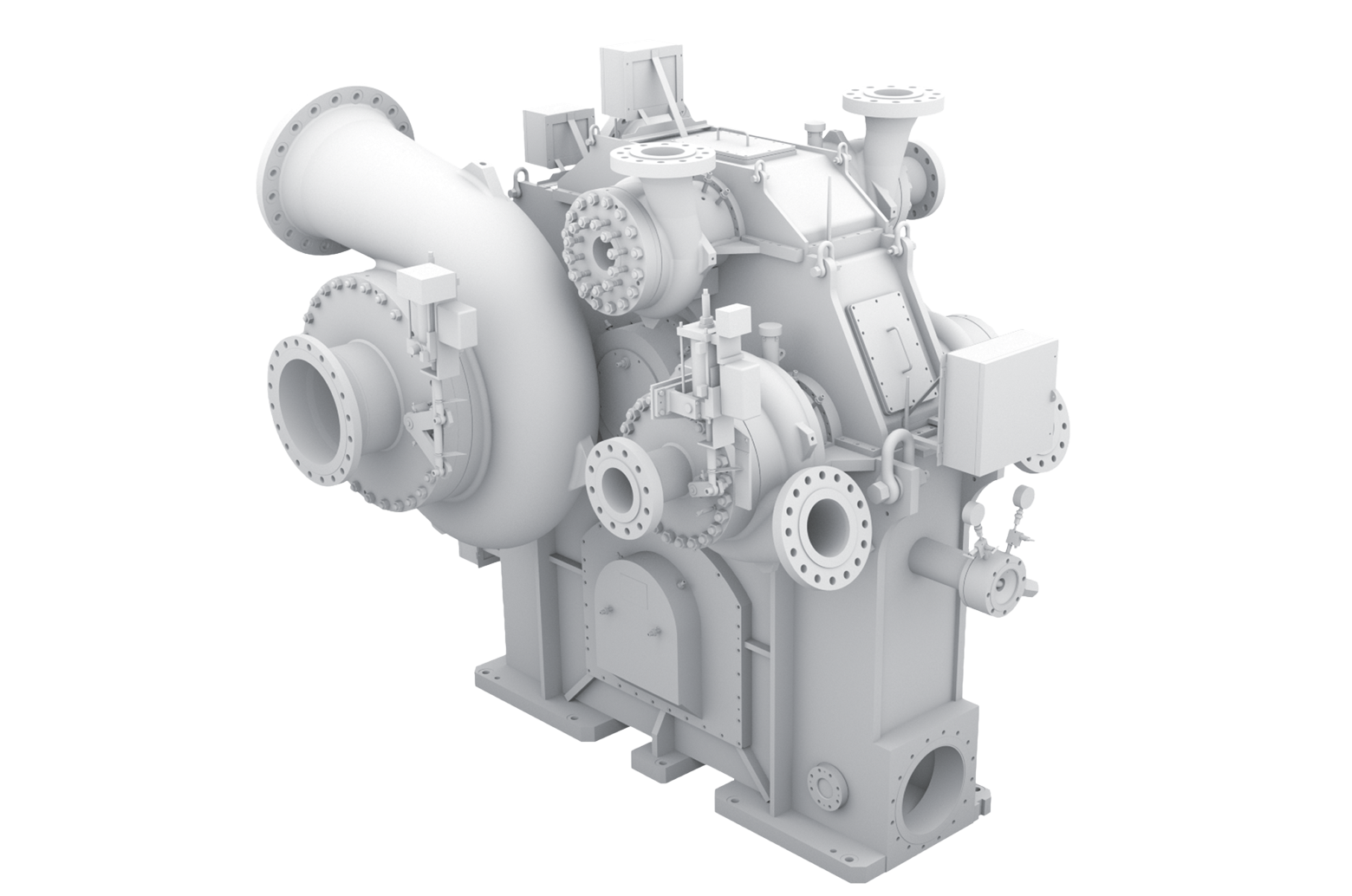
These multi-shaft centrifugal compressors allow for up to five pinions, depending on your individual requirements. These compressors are popular due to their high efficiency and low investment outlay.
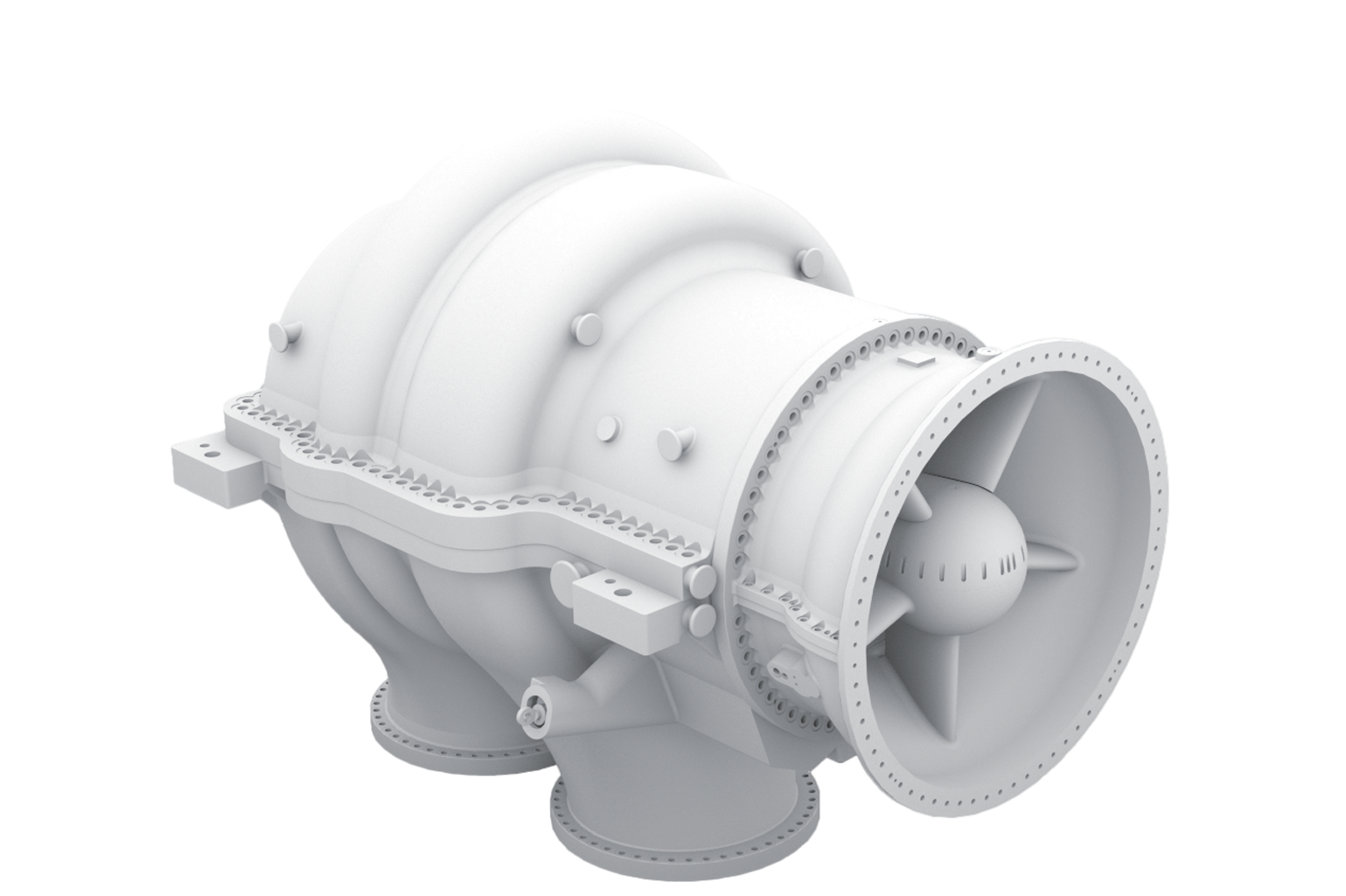
These compressors sit at the center of several high-volume flow industrial applications such as in blast furnace blowers, propane dehydrogenation, air separation, fluid catalytic cracking and others.