
The power of net zero
The transition to net zero has already begun, but the fuels that will define it are not yet fully available at scale. That is exactly why future readiness matters now. Engines must be able to operate under today’s conditions while being prepared for tomorrow’s energy landscape.
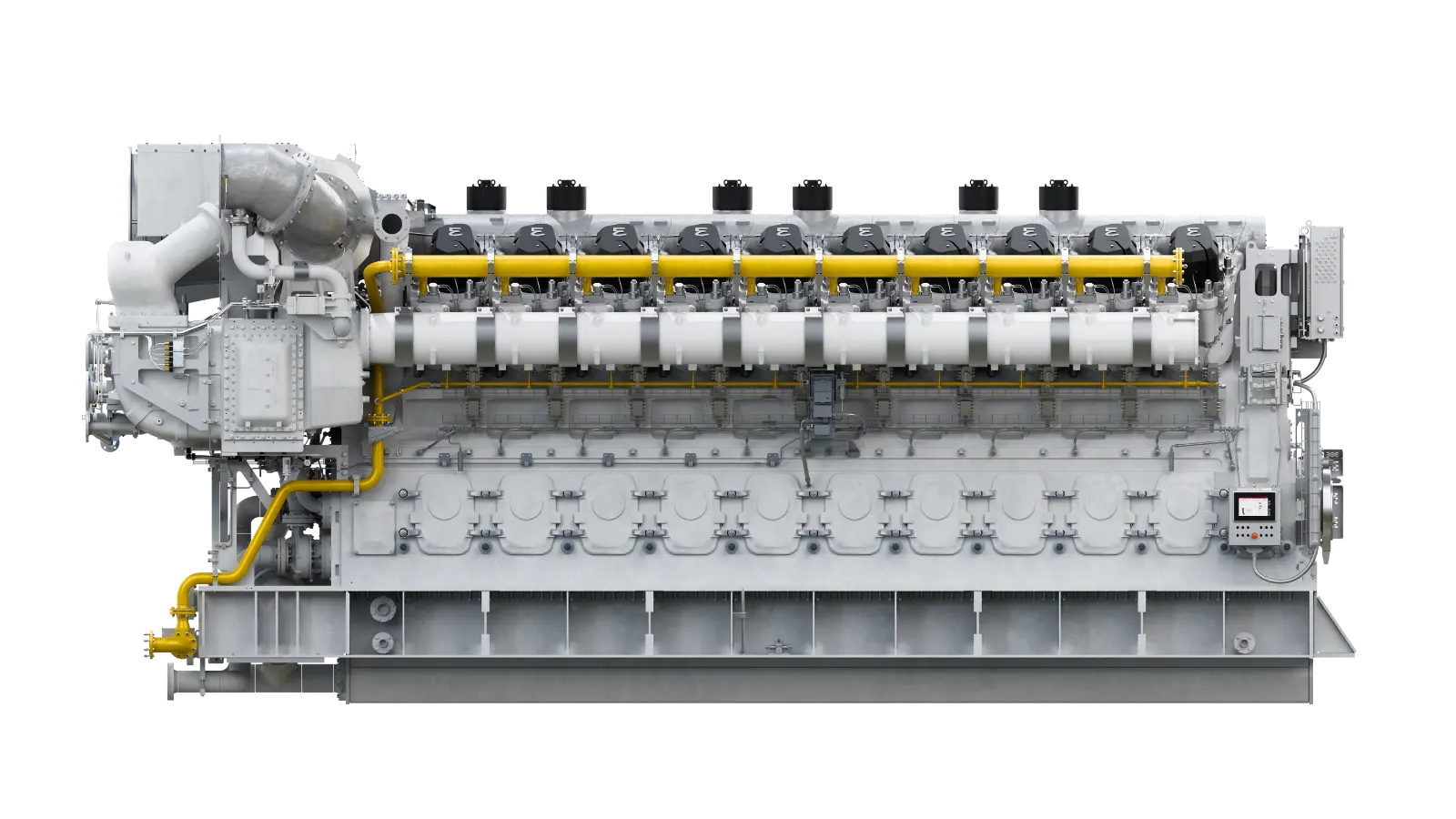
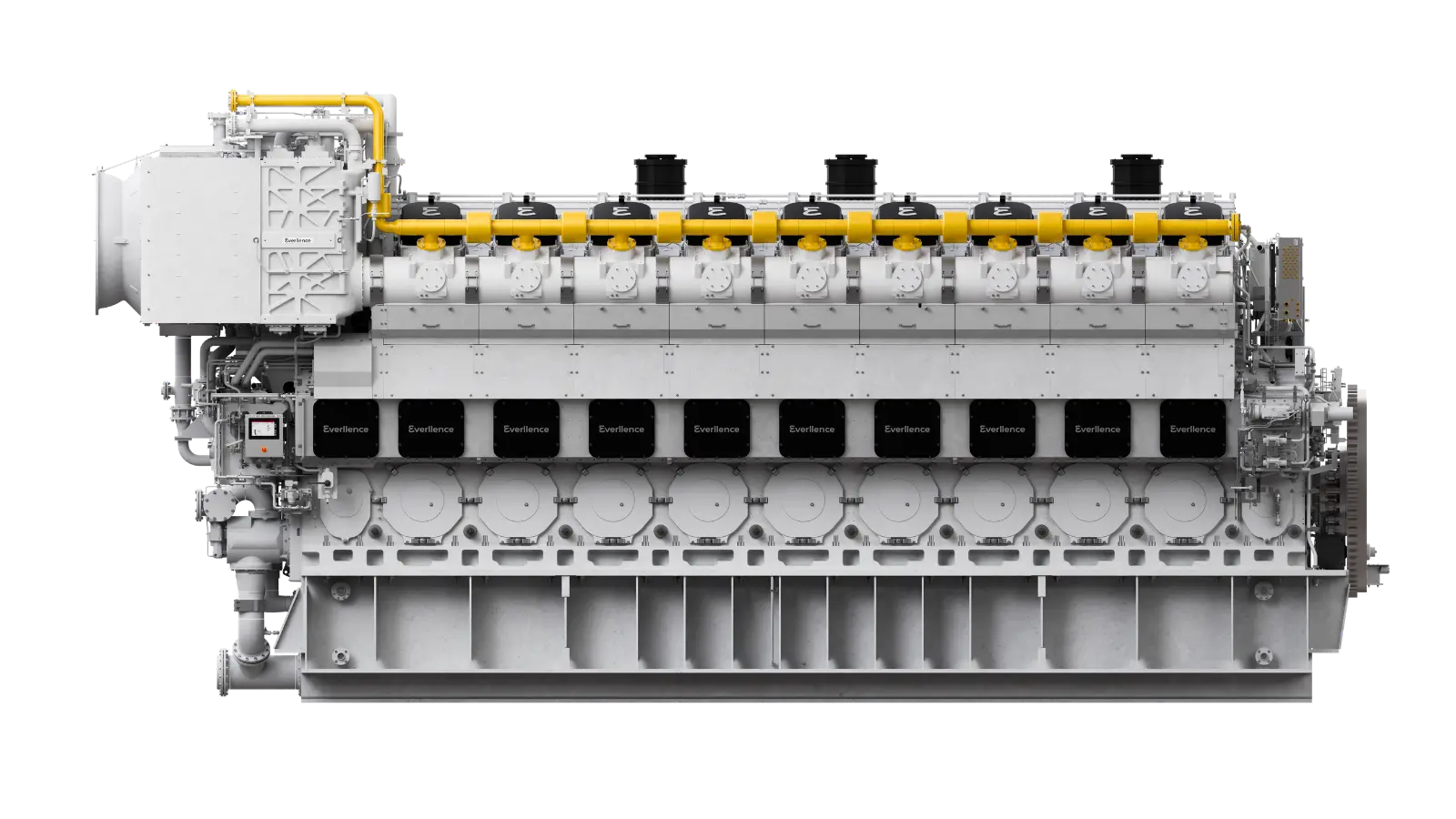
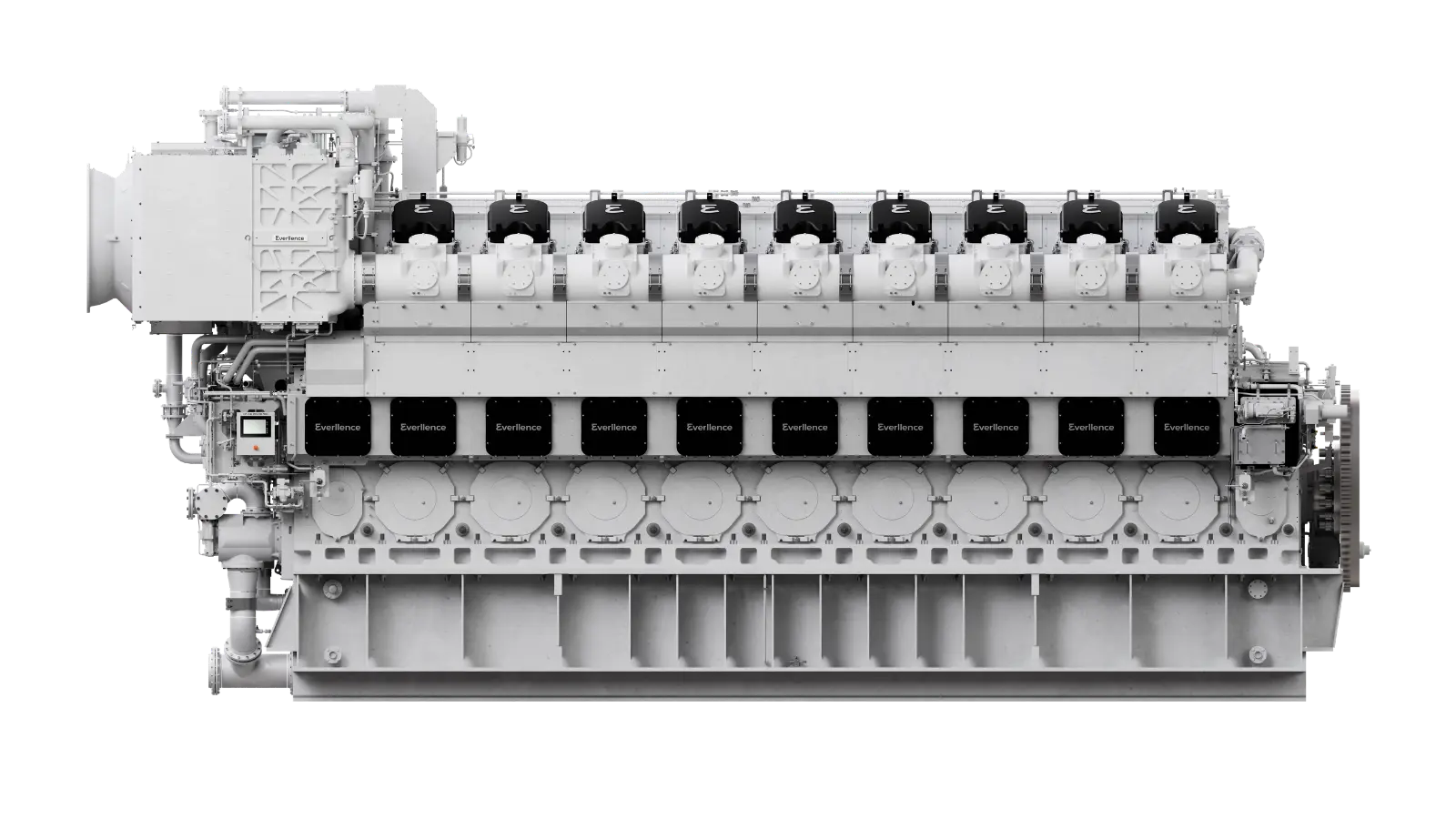
Our engines are designed with this shift in mind. They are ready to integrate future fuels such as hydrogen, e-methane or other low-carbon alternatives as they become viable. This ensures that investments made today remain valuable in a changing regulatory and economic environment.
By loading the video you agree to YouTube's privacy policy.
What are future fuels?
Potential for the energy sector
Future fuels, bridging fuels and biofuels describe different pathways within the transition towards a low-carbon energy system.
Future fuels refer to energy carriers with the potential to enable near-zero or zero-carbon operations in the long term. Bridging fuels, on the other hand, act as transitional solutions to reduce emissions compared to conventional fossil fuels. Biofuels are derived from renewable biological sources such as waste, residues or plant-based materials and offer a more immediate alternative to fossil fuels.
Engines and infrastructures that can operate with bridging fuels today, integrate biofuels where viable, and transition to future fuels tomorrow to create a resilient and future-proof pathway towards net zero.
E-hydrogen, often referred to as green or renewable hydrogen, is produced through electrolysis using electricity from renewable sources such as wind, solar or hydropower. Since no carbon is involved in the process, its use results in zero CO₂ emissions at the point of combustion. Chemically, e-hydrogen is identical to any hydrogen (H₂). What makes it different is how it is produced.
E-methane, also known as synthetic or renewable methane, is a gas produced from renewable energy. It is created by combining green hydrogen from electrolysis with captured CO₂ in a process called methanation. When the CO₂ comes from biogenic sources or direct air capture, it is chemically identical to natural gas (CH₄) and can be used as a low-carbon alternative to fossil fuels in existing infrastructure, engines and storage systems without major adjustments.
FAME, short for Fatty Acid Methyl Esters, is a biofuel produced by converting vegetable oils, waste oils or animal fats through a process called transesterification. It is commonly used as a renewable alternative to diesel and can be blended in different ratios, from low percentages like B7 (7%) to pure FAME (B100). Unlike synthetic diesel fuels, FAME is not chemically identical to fossil diesel. It contains oxygen within its molecular structure, which supports cleaner combustion and leads to lower emissions of carbon monoxide and particulate matter.

Adapting to change

All things future fuels
Our products and components

Contact our experts
To make your next move count
Every decision on fuels, technology and infrastructure impacts your performance for years to come. The challenge is not a lack of options, it is choosing the right one. We help you assess your project, compare pathways and define a solution that delivers, both today and in a net zero future.