Marine
Alternative fuels for your two-stroke powered vessel: Ammonia, methanol and methane in focus

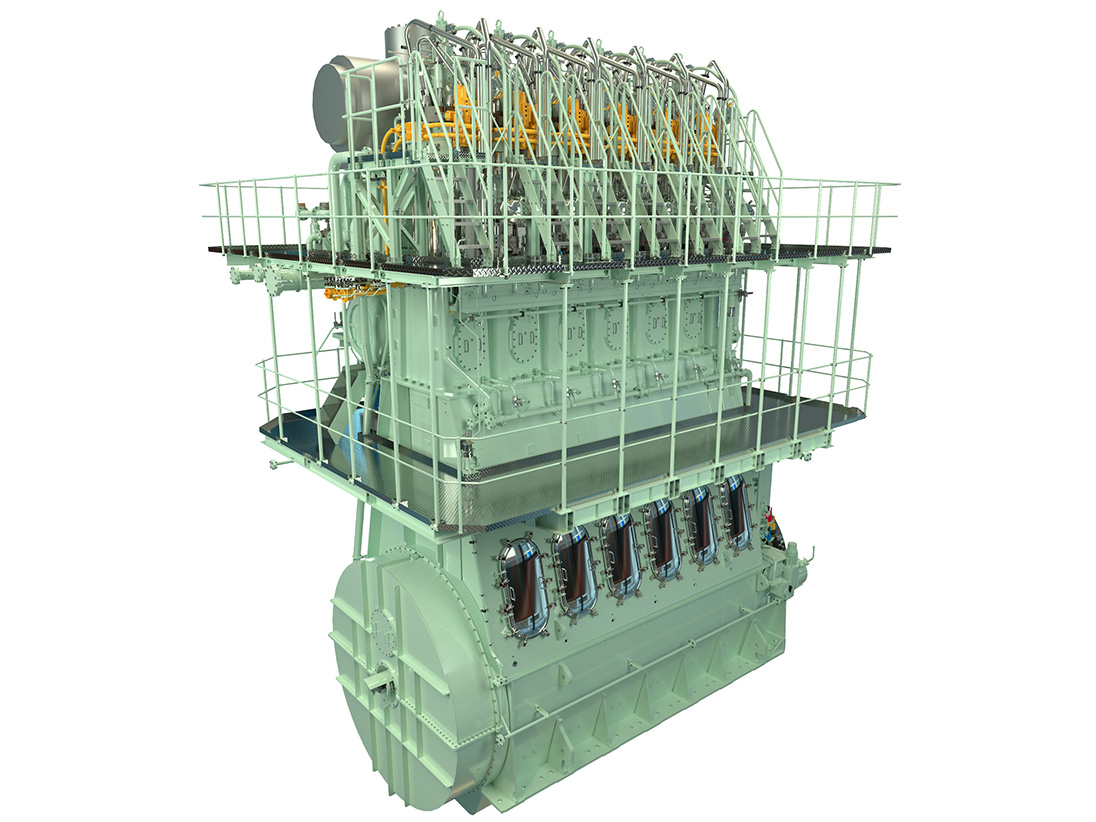
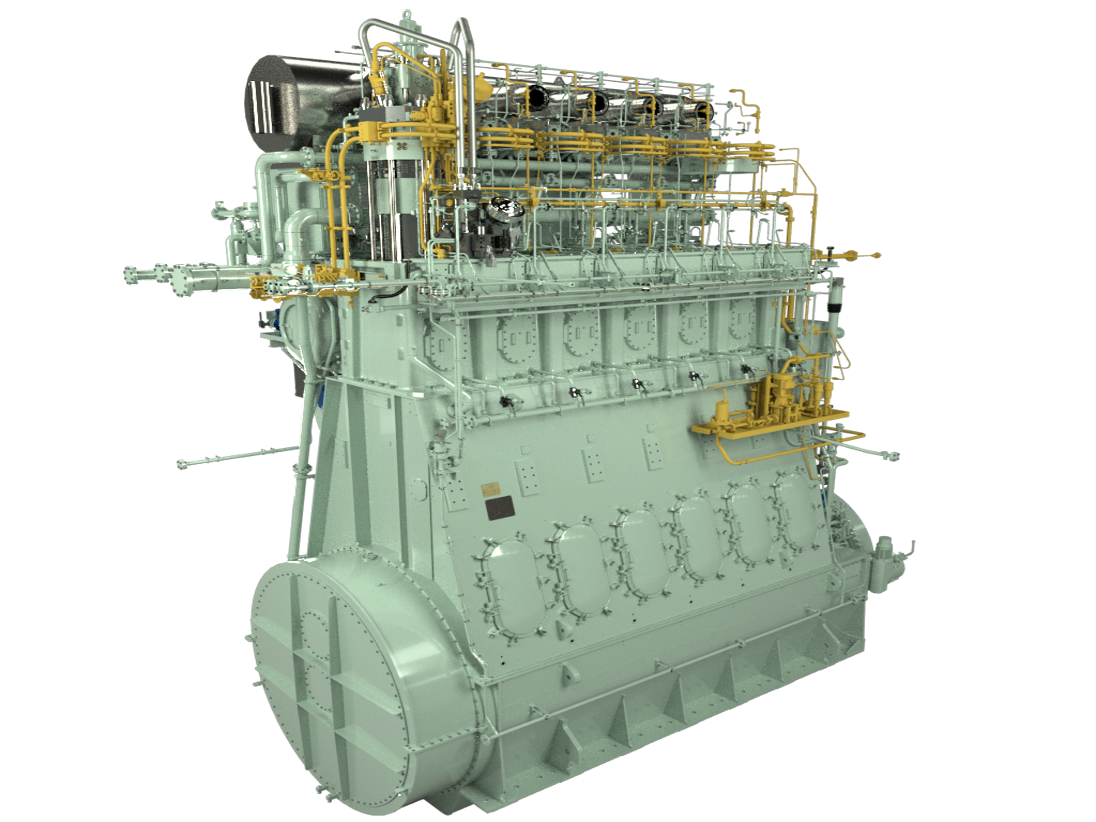
The Everllence B&W ME-LGIM (former MAN B&W ME-LGIM) engine is the first ever two-stroke dual-fuel engine capable of running on both methanol and conventional marine fuels. Designed to meet the needs of the maritime industry, the ME-LGIM engine offers a scalable and versatile propulsion concept suited to a wide range of vessel types.
Its compatibility with easy-to-handle methanol – supported by relatively simple auxiliary systems and straightforward storage and bunkering – makes the Everllence B&W ME-LGIM engine an attractive option for meeting decarbonization targets. With methanol’s potential to be carbon-neutral, the ME-LGIM is a future-proof choice for clean marine propulsion.
Methanol in motion – get to know the ME-LGIM
By loading the video you agree to YouTube's privacy policy.

A proven solution for sustainable maritime propulsion
Since 2016, the Everllence B&W ME-LGIM engines have accumulated over 600,000 running hours on methanol alone. As global shipping moves toward more sustainable operations, the ME-LGIM engine plays a vital role in enabling a scalable energy transition. This is particularly important as methanol produced from renewable sources becomes more widely available, contributing to low-emission operation due to its low carbon intensity. This engine type is available either for newbuilds or for retrofitting of exiting vessels.
When powered by green methanol, the Everllence B&W ME-LGIM offers significant environmental benefits and can even provide carbon-neutral propulsion. It helps reduce greenhouse gas (GHG) emissions, particulate matter, and sulphur oxides (SOₓ), making it a clean and compliant solution that aligns with global climate goals and emission regulations.
To ensure reliability and global service availability, all ME-LGIM engines are supported by the worldwide Everllence PrimeServ network. This ensures maintenance, technical support, and access to OEM spare parts over the entire engine lifecycle.
Additionally, the ME-LGIM is connectivity-ready and can easily be integrated with our digital solutions such as Everllence PrimeServ Assist. These services enable advanced performance monitoring, diagnostics, and remote support – helping to optimize operation, minimize downtime, and extend engine life.

The engine is optimized for methanol fuel operations by tuning methods. This supports a very high efficiency. Seamless switching between methanol and fuel oil ensures consistent performance and uninterrupted vessel operation – supporting fuel flexibility without compromising reliability.
Methanol’s main advantage as an alternative fuel lies in its easy storage and handling. As a liquid at ambient temperatures and pressures, methanol significantly simplifies port-side infrastructure and bunkering on board. While its production as a green fuel is still limited, its handling costs are low, reducing the complexity of storage and bunkering infrastructure at ports. As such, carbon-neutral methanol can be used whenever it is available at scale.
Thanks to an extensive ME-LGIM engine portfolio, this methanol-capable two-stroke solution supports a wide range of vessel types. The Everllence methanol-fuelled two-stroke engine is ideally suited for container vessels of all sizes, product tankers, VLCCs, RoRos, PCTCs, and various bulk carrier configurations. It offers full dual-fuel functionality, operating on both methanol and conventional marine fuels.
The Everllence B&W ME-LGIM engine is available for newbuilding projects and retrofits.
Talk to our experts
There are many ways the Everllence B&W ME-LGIM dual-fuel methanol engine can help increase the long-term profitability and security of your fleet and business. Contact us today to start exploring your options!


The ME-LGIM engine builds on the robust foundation of our proven Everllence B&W two-stroke diesel engine platform. Key components from the standard design have been retained, ensuring operational reliability and continuity.
To enable methanol operation, the ME-LGIM engine integrates additional components and pipework into the cylinder cover area. These methanol-specific additions are seamlessly incorporated, supporting efficient combustion while maintaining the structural integrity and serviceability of the engine.
The illustration highlights the dedicated methanol components and pipes integrated into the ME-LGIM cylinder top for methanol combustion.


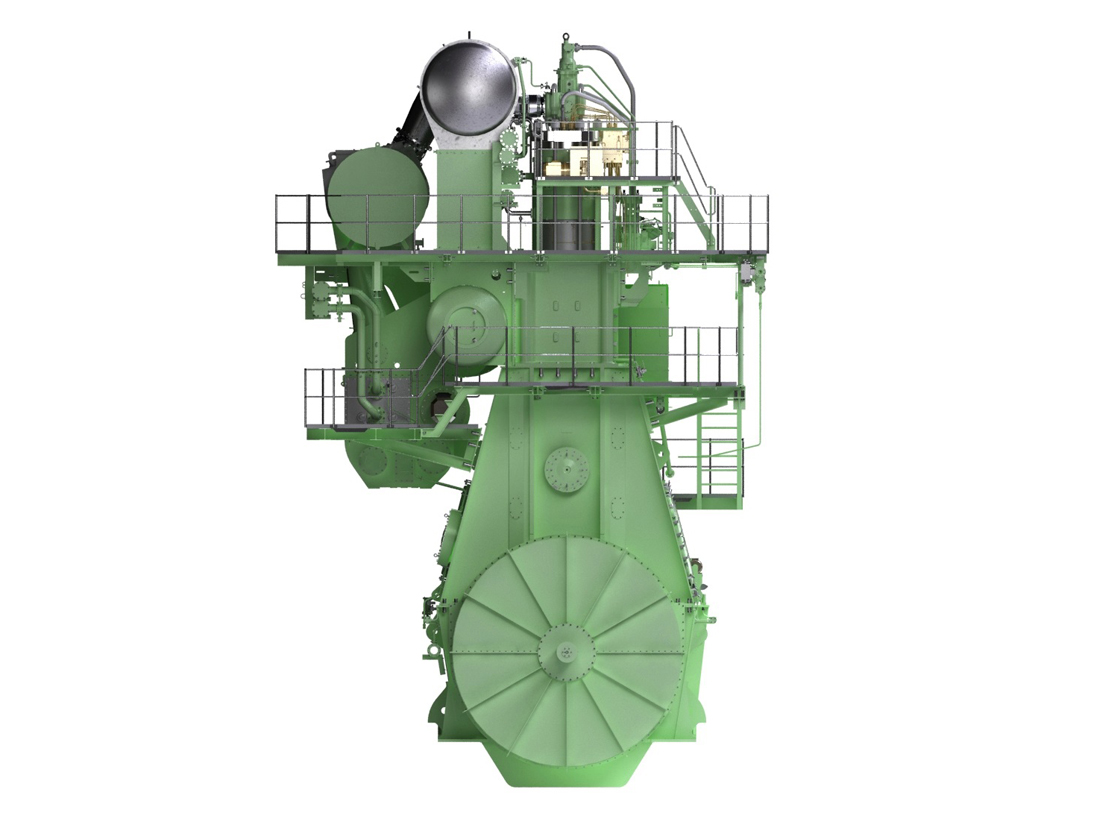
The ME-GI engine impresses with extremely lowest methane slip and very high fuel efficiency. It is the most environmentally friendly methane-fuelled engine on the market. By the optional use of fuel oil or LNG/bio-methane/SNG, it represents a highly efficient, flexible, propulsion-plant solution.

Everllence is aiming to deliver the first ammonia engine, the Everllence B&W ME-LGIA, to a shipyard in 2025. It will be available as newbuild or retrofit.

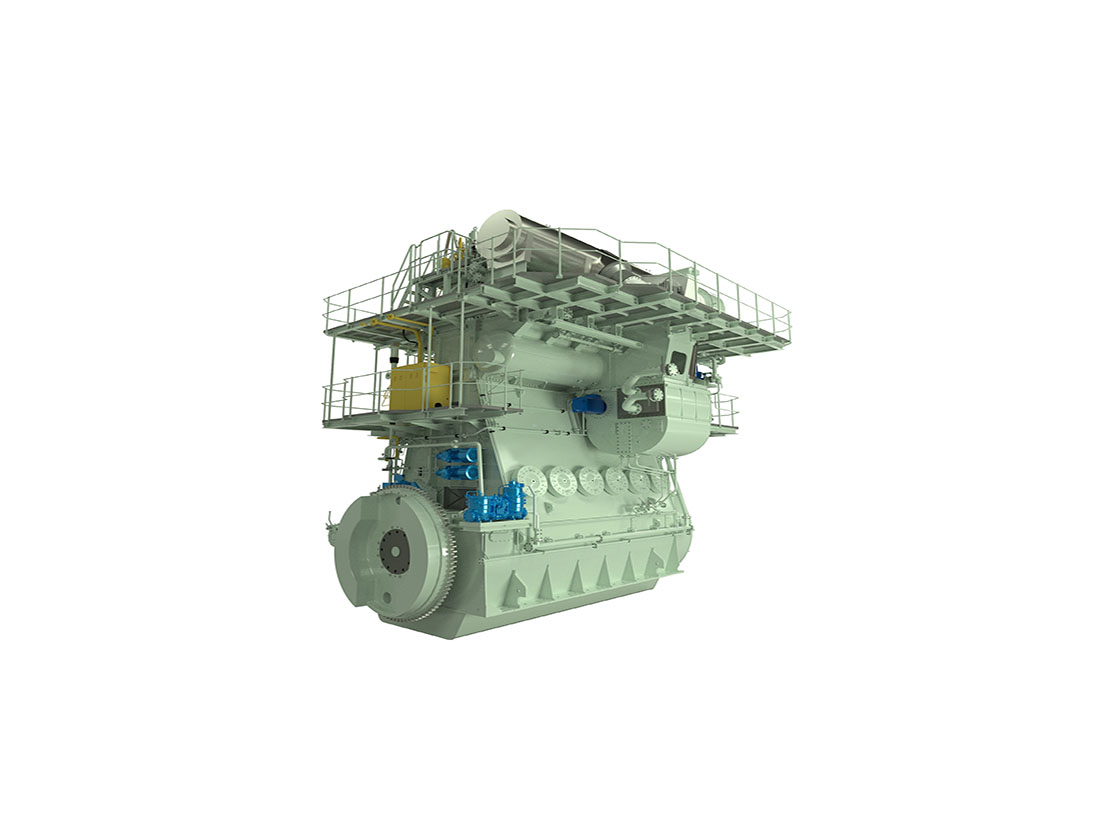
Our ME-LGIP is the only two-stroke dual-fuel engine on the market which can be fuelled with LPG. The low operational costs as well as the simple retrofit solution are particularly convincing.

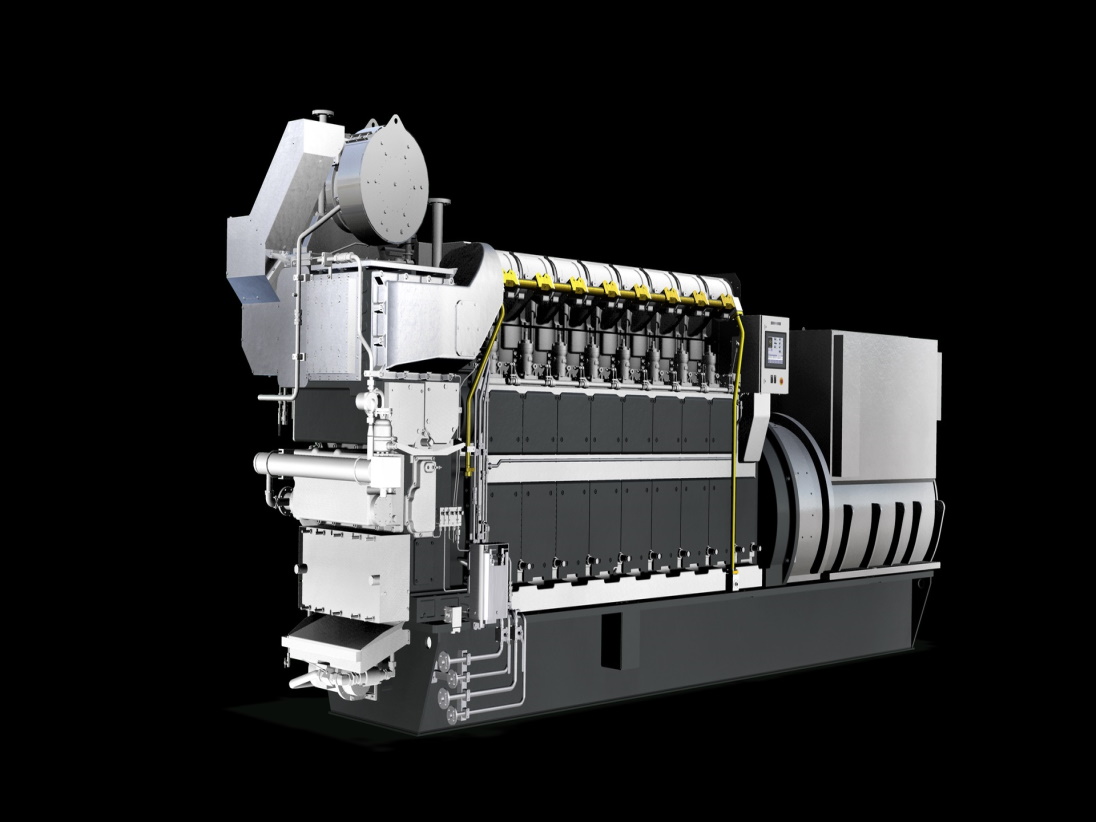
The L21/31 (former MAN L21/31) is Everllence’s first small-bore GenSet fuelled by methanol. It is a reliable and compact engine which can be operated on methanol, heavy fuel oil (HFO), and additionally most biofuel oils.
It comes with outstanding load-step capabilities and attractive long time between overhauls (TBOs). It is an ideal choice for many different applications, such as offshore, cable laying, CSOV or also methanol bunker vessels.
Learn more about the retrofitting of the Maersk Halifax, the first vessel of this size, with a dual-fuel engine to be able to run on methanol.
.tmb-0.jpg?Culture=en&sfvrsn=d59060ac_1)
Maersk has ordered 25 container vessels powered by methanol. Read more about the process of switching to green methanol on the Antonia Maersk, one of these vessels.
.tmb-0.jpg?Culture=en&sfvrsn=e1a62223_1)
Frequently asked questions on methanol propulsion technology
Learn more about retrofitting, emissions benefits and real-world applications of the Everllence B&W ME-LGIM engine – a future-proof solution for clean maritime propulsion.
The first ME-LGIM engine came into service in 2016. Since then, we have accumulated more than half a million running hours on methanol alone, which provides a solid base for new developments. The L21/31DF-M is a perfect match for this methanol-fueled propulsion engine.
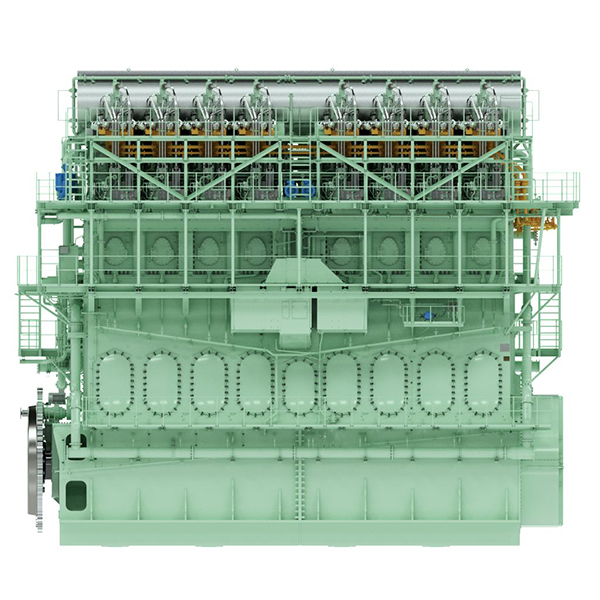
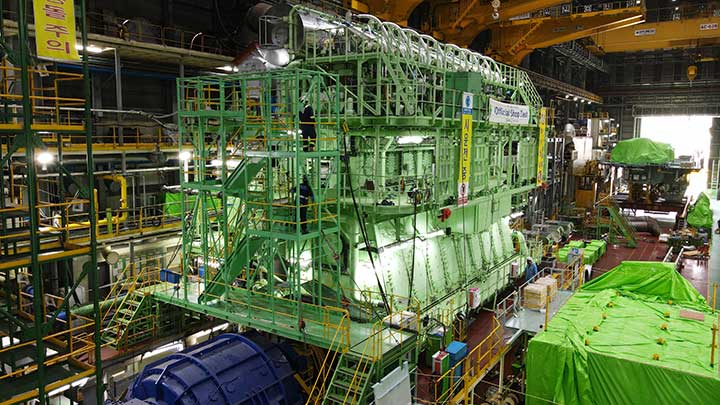
The Everllence B&W ME-LGIM two-stroke engine can operate on both methanol and conventional fuels, making it an ideal choice for advancing decarbonization in the maritime sector. It is compatible with a broad range of vessel types, including the container ship Laura Maersk.
Key benefits of the Everllence B&W ME-LGIM:
Downloads

ExpertTalks
Marine
Marine
Marine
Container and tanker vessels have dominated the newbuilding order book this year.