
The balancing market at a glance
Today’s balancing market brings together a wide mix of solutions, each designed to stabilize grids with rising shares of renewables. Medium-speed engines, high-speed engines, aeroderivative turbines, and battery systems all play distinct roles — shaped by how fast they ramp, how efficiently they run across different loads, and how reliably they handle frequent cycling.
What often separates these technologies is not their headline specs but how they perform under real operating conditions: fluctuating demand, ambient temperatures, altitude, frequent cycling, and varying load levels. Understanding these differences is essential for choosing the right setup for each grid scenario. This page provides a clear overview of the core technologies in the balancing market and the parameters that matter most for dependable, flexible power.
“As renewable energy grows, balancing becomes the backbone of every power grid – and only the right technology ensures stability that is cost‑efficient and sustainable.”
Michael Fiedler, Senior Business Development Manager, Everllence
Lost in the balancing maze?
Balancing technologies each have their own strengths and limitations. Explore the different options, discover where each solution performs best, and find your way through the maze.
Guidance for smarter energy decisions
Our consulting team helps you assess the technical and economic impact of different balancing technologies and identify the setup that fits your grid needs. With clear guidance and long-term perspective, we support you in shaping a future-proof energy system.
.tmb-0.jpg?Culture=en&sfvrsn=9d26442f_1)
Why balanced speed delivers better results
Medium-speed engines combine fast starts with stable efficiency across a wide load range, even under challenging ambient conditions or when frequent cycling is required. Their resilience and low OPEX make higher operating hours economically viable, turning flexibility into real value. This balance of speed, durability and part-load performance makes them a highly reliable choice for today’s dynamic grids.


Lower fuel consumption, stable part-load performance, and fewer maintenance cycles turn operating hours into real value.

Key benefits
Medium-speed gas engines
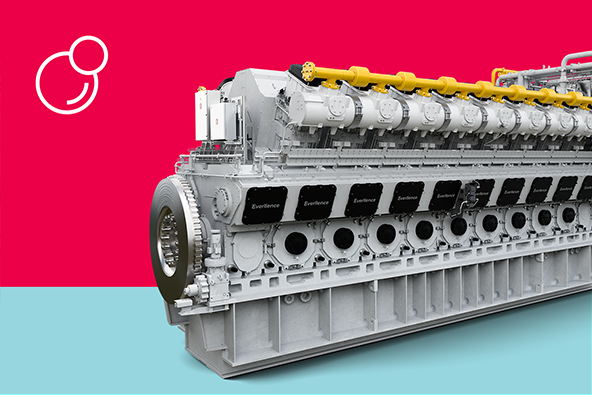
The 34/44G and 51/60G combine high efficiency with fast start-up performance and strong stability across a wide load range. Both systems handle frequent cycling with minimal wear, maintain reliable output in heat or at altitude, and deliver competitive OPEX even at higher operating hours. Their robust design and flexible operating profile make them a dependable choice for balancing plants that need consistent, future-ready performance.
Lakeland, USA
To ensure fast and flexible power supply, this engine-based plant was built for balancing operations with quick start-up capability. An extended scope including a heat recovery system supports standby operation, enabling consistent availability and efficient restart at any time.

Key benefits
Medium-speed dual fuel engines
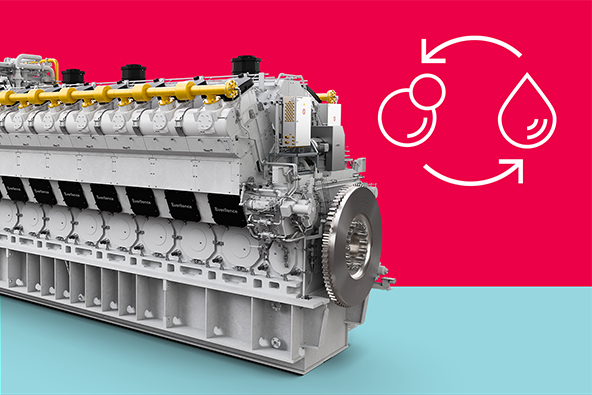
The dual fuel capability of our engines adds valuable flexibility to balancing plants by allowing seamless operation with gas or liquid fuels while maintaining stable performance across varying load conditions. With its high output, fast response and strong efficiency, the 51/60DF enables dependable operation even under frequent cycling or challenging site conditions. This makes it a future-ready choice for projects that require both resilience and operational versatility.
Athlone, Ireland
In Athlone, Greener Ideas Limited deploys five 18V51/60DF units providing 102 MW of flexible capacity for utility use. The plant runs on natural gas and provides stable, flexible support to Ireland’s evolving grid. Everllence supplied the extended equipment package.


Supporting your balancing journey
Balancing today’s grids means integrating renewables, flexible thermal assets and urban demand into one system. Everllence brings deep expertise together with an understanding of how power generation, renewable resources and real-world consumption interact. Our solutions, designed to deliver fast response, stable output and long-term efficiency, make us a trusted partner across the entire energy chain.
Downloads
Continue reading
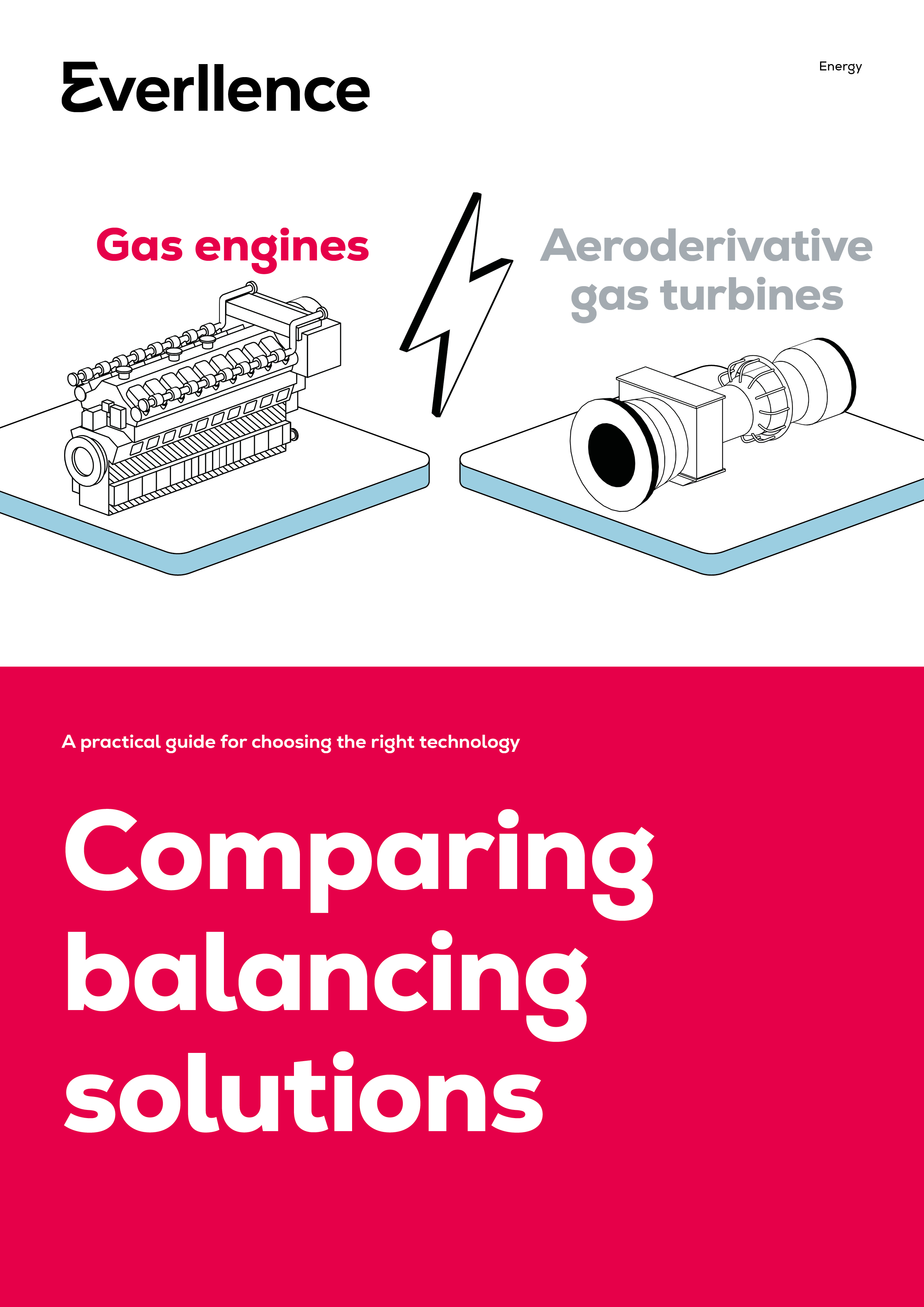
Comparing balancing solutions
Gas engines and aeroderivative turbines differ significantly in efficiency, flexibility and start‑up behavior. Get a fact‑based comparison to support informed decisions.
DownloadGet in touch
Your balancing project starts here
Our specialists are ready to support you with technical insights, project guidance and the right setup for your balancing needs. Reach out to discuss your specific requirements and explore how Everllence can help strengthen your grid.
